The People Behind the PB: Seven Club Jobs That Make Saturday Happen

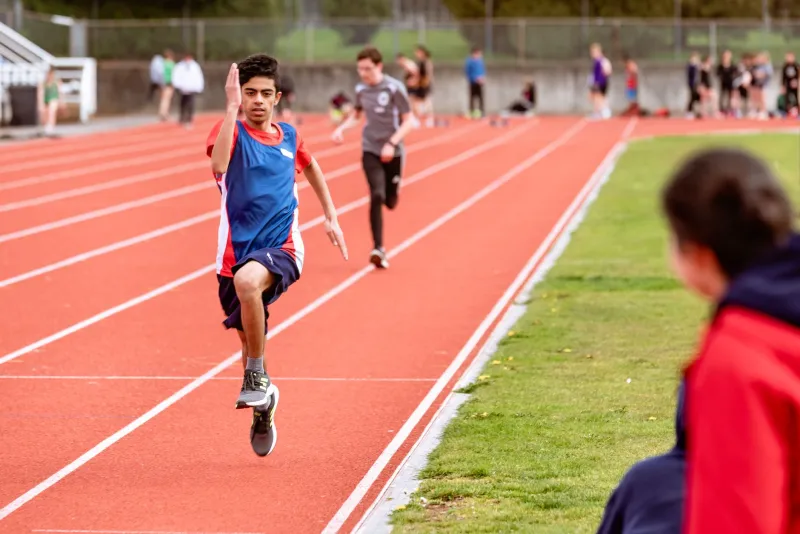
Photo: grassroots athletics club volunteers cross country UK, via www.gamespecifications.com
Saturday morning at a cross-country league fixture looks simple from the outside. Athletes warm up, race, eat something sugary and go home muddy. Behind that hour of running is a small army of people who did the unglamorous bits in the days and weeks before.
At Athleticos, we love a results sheet as much as anyone. But the results sheet has a blind spot: it never lists the entries secretary who spotted the missing date of birth, the team manager who found a last-minute lift, or the person who remembered to unlock the toilets. So here is a shout-out to the club jobs that decide whether Saturday actually happens — and some practical ways to stop them landing on one poor soul every single time.
1. The team manager
This is the role that looks like admin and behaves like air traffic control. Team managers chase availability, juggle age groups, know who is carrying a niggle, remember which parent has the club tent and somehow keep a WhatsApp group from descending into chaos.
Share the load: appoint assistant team managers for each age group, use a simple availability form with a clear deadline, and keep a template for the information athletes and parents actually need. The team manager should not be the only person who knows where the numbers are kept.
2. The entries secretary
Entries are the quiet engine of every fixture. Someone has to log names, check eligibility, meet the league deadline and deal with the athlete who swears they entered three weeks ago. It is detail-heavy work, and it is usually done late at night.
Share the load: build a deputy role, keep a shared spreadsheet that two people can access, and set internal deadlines earlier than the official ones. A club that treats entries as a rota job rather than a mystery is a club that avoids last-minute panics.
3. The first-aid volunteer
Nobody wants this role to be needed. Everybody wants it covered. First-aid cover is one of those jobs that is invisible until it is essential, and grassroots clubs rely on trained volunteers who are willing to stand in the cold with a kit bag and a calm head.
Share the load: fund places on first-aid courses, train more than one person, and check the kit before every fixture. The volunteer on the day should know who has the accident book, where the nearest defibrillator is and how to reach a parent quickly.
4. The hut-key holder
The hut key is a tiny piece of metal with an enormous amount of responsibility attached. The key holder opens up, checks the lights, finds the flags, unlocks the toilets and locks everything away again. If they are late, the whole morning starts late.
Share the load: use a key safe or a proper rota, always have a backup, and write down the opening routine. A club should not be one forgotten key away from a cancelled session.
5. The cake rota organiser
Do not underestimate the power of a post-race slice of cake. The cake rota organiser keeps the tea urn going, remembers the dairy-free option, collects a few coins for club funds and gives athletes a reason to hang around after the finish line. It is fundraising and morale in one Tupperware box.
Share the load: use an online sign-up rota, keep a small club budget for basics, and make it clear that nobody has to bake from scratch. A bag of biscuits and a willing pair of hands counts.
6. The kit and equipment coordinator
Vests, bibs, spikes, flags, stopwatches, tent pegs and the mysterious box of cables all live somewhere. The kit coordinator knows where. They also know which discus has gone missing, which relay baton is cracked and which athlete still has a club vest from three seasons ago.
Share the load: label boxes, keep an inventory, and do a start-of-season and end-of-season check with two people. A shared equipment list saves a hundred messages in July.
7. The lift-share and transport organiser
This is the role that quietly makes away fixtures possible. Someone keeps track of who can drive, who needs a lift, which car has space for the tent and which parent has the correct safeguarding checks. It is logistics, but it is also access.
Share the load: keep a transport list, sort permissions early and never leave it to one person to find a lift at 7am on Saturday. A minibus can help, but the organisation behind it still needs a rota.
The small acts that add up
None of these roles are glamorous. Most of them will never get a mention over the microphone. But grassroots athletics runs on small acts of organisation, repeated week after week by people who would rather be watching the race than chasing a waiver form.
So the next time Saturday happens on time, look past the results sheet. There is a team manager somewhere breathing out, an entries secretary with a full inbox and a cake rota organiser wondering if eight slices is enough. If your club has been leaning on the same few volunteers, this is your nudge: share the load, write it down and say thank you. They are the reason the starting gun gets fired at all.