The Saturday Scaffolding: Why Every Club Meet Stands on Its Officials

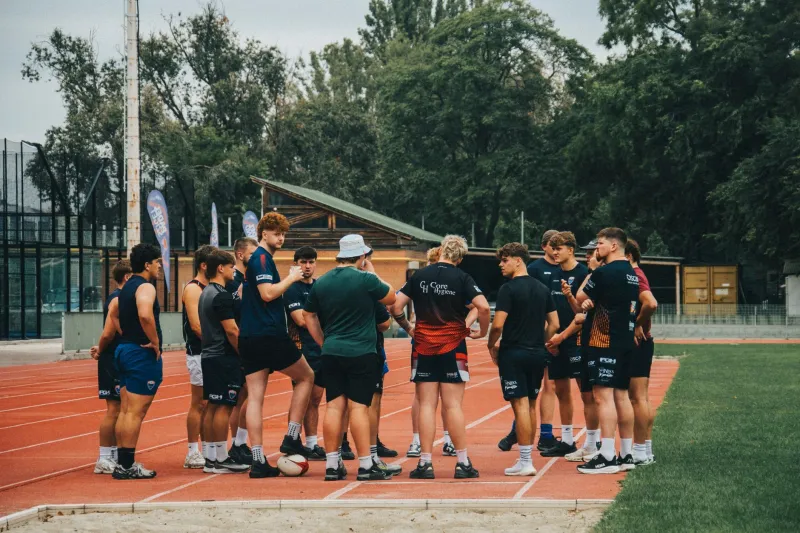
Photo: grassroots athletics track and field official with stopwatch and whistle at UK club meeting, via www.thecampaignworkshop.com
On a damp Saturday morning in November, a club track meet can look beautifully simple. Athletes warm up in hoodies, parents cluster by the tea urn, and a handful of volunteers move hurdles and drag out the photo-finish equipment. Then a whistle goes, a gun fires, and the whole thing becomes official.
That moment does not happen by accident. Before the first race, someone has checked the entries, briefed the marshals, tested the timing gear and confirmed that the meeting has enough qualified people to run safely and legitimately. At grassroots level, that someone is usually a volunteer who has already done a full week of work.
This is the quiet scaffolding of UK athletics. Not the grandstands, not the championship medals, but the timekeepers with cold fingers, the field judges crouching over a tape, the starter who has to be in exactly the right place at exactly the right moment. Every club meet leans on them. And across the country, clubs are finding that the scaffolding is getting thinner.
The fixture that depends on a clipboard
Officiating shortages rarely announce themselves dramatically. A meet does not usually collapse in a heap. More often, a club secretary sends a round-robin email in September asking who can help at the winter fixtures. The same dozen names reply. A few parents offer to marshal. Someone's dad is persuaded to learn the long jump board. By the week of the event, the organiser is still one qualified track judge short and quietly hoping a nearby club can lend one.
That is the reality behind the fixture list. A licensed competition needs a minimum number of officials, and the exact requirements vary by permit level and meeting type. The details sit with the licensing bodies, but the principle is straightforward: without enough trained people, a meet cannot simply carry on as normal. Events may be trimmed, the licence may be affected, or the fixture may be reshaped into something less formal. For athletes chasing official personal bests or qualification marks, that matters. For clubs trying to offer a proper Saturday experience, it matters even more.
The athletes often see none of this. They see a start line and a finish line. The officials see the entire machine in between.
More than a whistle and a stopwatch
There is a stubborn image of a track official: a blazer, a clipboard, a mysterious air of authority. In reality, the job is closer to event logistics with a stopwatch. Timekeepers need concentration and a decent pair of gloves. Field judges need patience and a willingness to check a measurement twice. Marshals need to be firm with warm-up groups and kind to nervous under-13s. Starters need a calm voice and a sharp eye for a false start.
None of that requires a former international career. It requires training, a bit of shadowing and the confidence to ask questions. England Athletics and the home country bodies run officiating courses, and clubs usually have a volunteer coordinator or officials secretary who knows the pathway. Most people start as an assistant or marshal, learn one role well, and add another only when they fancy it.
That last point is the one clubs need to shout about. Officiating is not an all-or-nothing commitment. A parent who can give two Saturdays a season is useful. A former athlete who wants to stay involved after injury is useful. A grandparent who would rather judge the shot put than stand in the cold at the 800m is useful too.
What happens when the pool runs dry
The strain shows up in small ways first. Officials double up on roles. A club borrows a starter from a neighbouring fixture. A field event gets one judge instead of two. Someone who came to watch their child ends up holding a clipboard because there is no one else.
Then it shows up in bigger ways. Meets get cancelled. Clubs withdraw from leagues. Young athletes lose the chance to compete at home. And the volunteers who have been holding it together for years start to wonder how long they can keep saying yes.
It is tempting to call this a recruitment problem, but it is also a design problem. If the only route into officiating feels like a formal committee role, most people will assume it is not for them. If the ask is vague — help out if you can — nobody knows what that means. Clubs that do this well are specific. They say: we need two timekeepers for the under-15 open meeting, we will pay for the course, you will shadow someone for the first hour, and you will get lunch and a lift home.
A route in that does not feel like a second job
For anyone thinking about it, the first step is not a course. It is a conversation. Ask the club who organises officials. Say you can do one morning a month. Ask to shadow a role that looks manageable rather than impressive. Timekeeping is a good entry point because the task is clear and the feedback is immediate. Marshalling is another, especially for parents who already know the lie of the land.
Clubs can help by making the pathway visible. Put officiating news in the same newsletter as results. Thank officials by name. Budget for course fees and expenses. Pair newcomers with a patient mentor. And make it clear that nobody is expected to become a fixture secretary by stealth.
The whistle before the gun is not ceremony. It is the signal that a group of volunteers has turned a field into a competition. If club athletics wants to keep offering proper Saturdays — official marks, fair fields, safe events and a bit of drama — then the people in the high-vis vests need a wider bench. The good news is that most of them never planned to become officials. They just said yes once, and discovered they quite liked it.