Off the Fence, Onto the Start Line: The Tuesday Night Parents Learning to Race Again
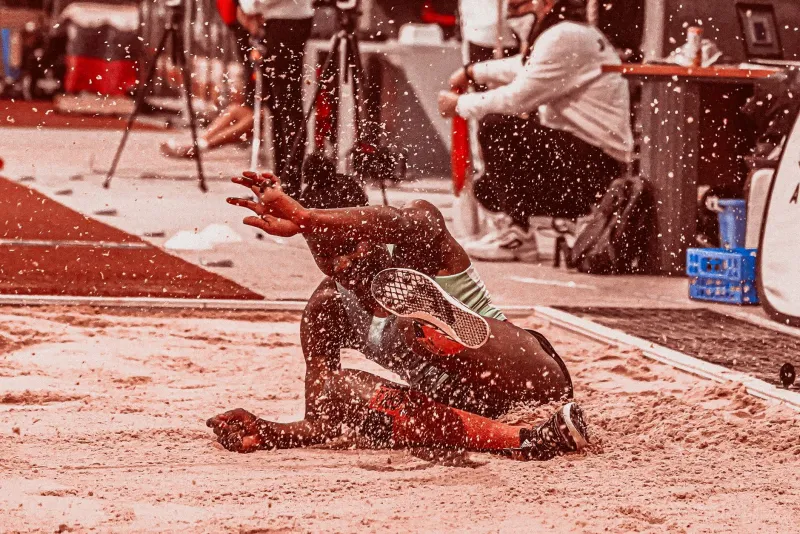
At 7.10pm on a Tuesday in November, the floodlights are doing their familiar hum, the under-11s are halfway through a chaotic shuttle relay, and a small group of adults is gathered by the long jump pit doing the kind of warm-up that once felt impossibly awkward. One of them is a parent who has spent three winters on the touchline, coat zipped to the chin, shouting encouragement at a child who is now old enough to be embarrassed by it. Tonight, she is the one being coached.
This is not a scene from a glossy participation campaign. It is club night. And it is happening in village halls and council tracks and school fields up and down the country, usually without anyone making a fuss about it.
The moment the whistle changes sides
For years, the parent on the touchline has been part of the furniture. They hold the spare bottle, the safety pins, the half-eaten flapjack. They learn the rules of the winter league by osmosis. Then one Tuesday, a coach says the words that change everything: we are short for a mixed session, do you want to join in?
The first step is rarely about fitness. It is about permission. Adults are very good at deciding they are not allowed to be beginners. They will happily spend an hour watching a child learn to high jump, then announce that they are too old, too slow, too busy or too far gone to try themselves.
But a club night offers something a gym cannot. It offers a lane, a coach, a group of people who already know your name because they have stood next to you in the rain. The social barrier is lower than the physical one. That matters more than most of us admit.
The barriers are real, and mostly in the head
Ask adults what stops them and the list is predictable: time, childcare, kit, cost, injury, the fear of being last. Some of it is practical. A Tuesday session clashes with bath time, work calls, tea. Club subs are not nothing, even when they are modest. Borrowed spikes can rub.
But the biggest obstacle is usually the story people tell themselves. I haven't run since school. I'm not an athlete. Everyone will be faster. I will hold the group up. These are not silly worries. They are the reason many adults never come back to sport at all.
The clubs that crack it do not argue with the fear. They design around it. They run a six-week beginners block. They put a coach at the back of the group rather than the front. They pair a newcomer with a member who remembers being new. They make it clear that walking between reps is allowed, that finishing last is allowed, that turning up in old trainers is allowed.
A Tuesday session is a low-stakes laboratory
A good adult beginners session looks less like a race and more like a workshop. There is a warm-up that includes more laughing than mobilising. There are drills that expose everyone's coordination. There are a few reps of 200m, maybe 300m, with a walk-back that becomes the real social event. The coach watches, adjusts, and quietly moves the session from daunting to doable.
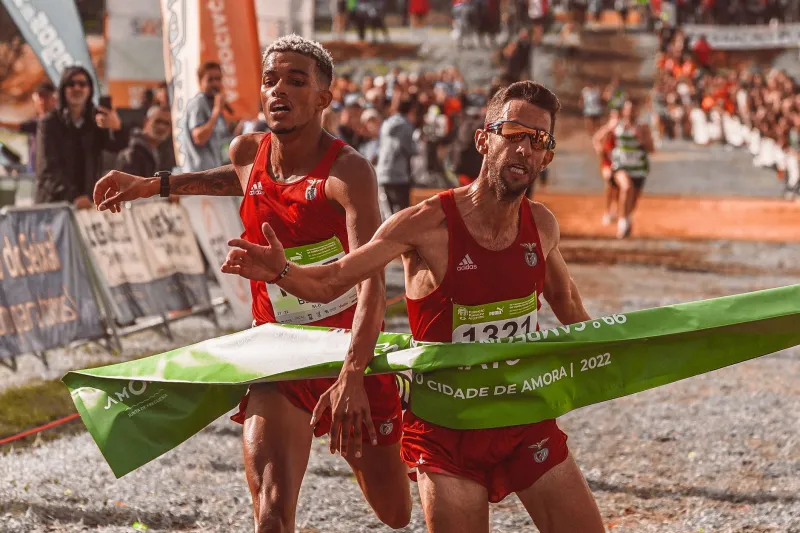
Then comes the first 1500m. It might be a club time trial, a winter league race or a low-key masters meet. It will not be fast. It will probably hurt. The last lap will feel like a negotiation with the legs. But something happens when the juniors line the home straight and shout your name: the race stops being about the clock and becomes about belonging.
That is the quiet magic of grassroots athletics. The first painful 1500m is not a trial by fire. It is a welcome. The person who finishes at the back often gets the biggest cheer, because everyone knows what it took to get to the start line.
Masters is a door, not a corridor
Masters athletics gets a reputation as the place for former county runners with immaculate spikes and a spreadsheet of PBs. It can be that. It is also full of people who took twenty years off, discovered the masters category and realised they were allowed to race again.
But clubs should not wait for adults to self-identify as masters athletes. Many parents do not know the category exists. They do not need a label. They need a session that says adults welcome, all paces, no experience necessary. The masters door can open later. The first job is simply getting them through the gate.
What clubs get right when they get it right
The clubs making this work tend to do a few unglamorous things well. They put the adult session immediately after the junior session, so parents are already there. They name a contact person. They keep a pair of spare trainers in the cupboard. They enter a local winter league race and make a day of it. They let the tea urn do the recruitment.
They also protect the culture. A comeback session only works if the fast people do not treat it as a warm-up for their own session. The coach has to hold the space. The club has to mean it when it says all abilities.
The tea urn still wins
By 8.30pm, the session is over. The hurdles are being dragged back to the shed. The under-11s have been collected. The adults are standing around the tea urn, comparing sore calves and planning a Saturday race none of them would have entered a month ago.
The parent who once watched from the fence is now a competitor, but she is still a spectator too. She will be back on the touchline at the weekend, shouting for the juniors. The difference is that this time she has a vest in her bag and a race of her own to think about.
That is the comeback lane. It is not a grand programme or a national campaign. It is a Tuesday night, a borrowed pair of spikes and a coach who says: come on, then. Give it a go.